
Swindon & Wiltshire News
Businesses react to Spring Statement
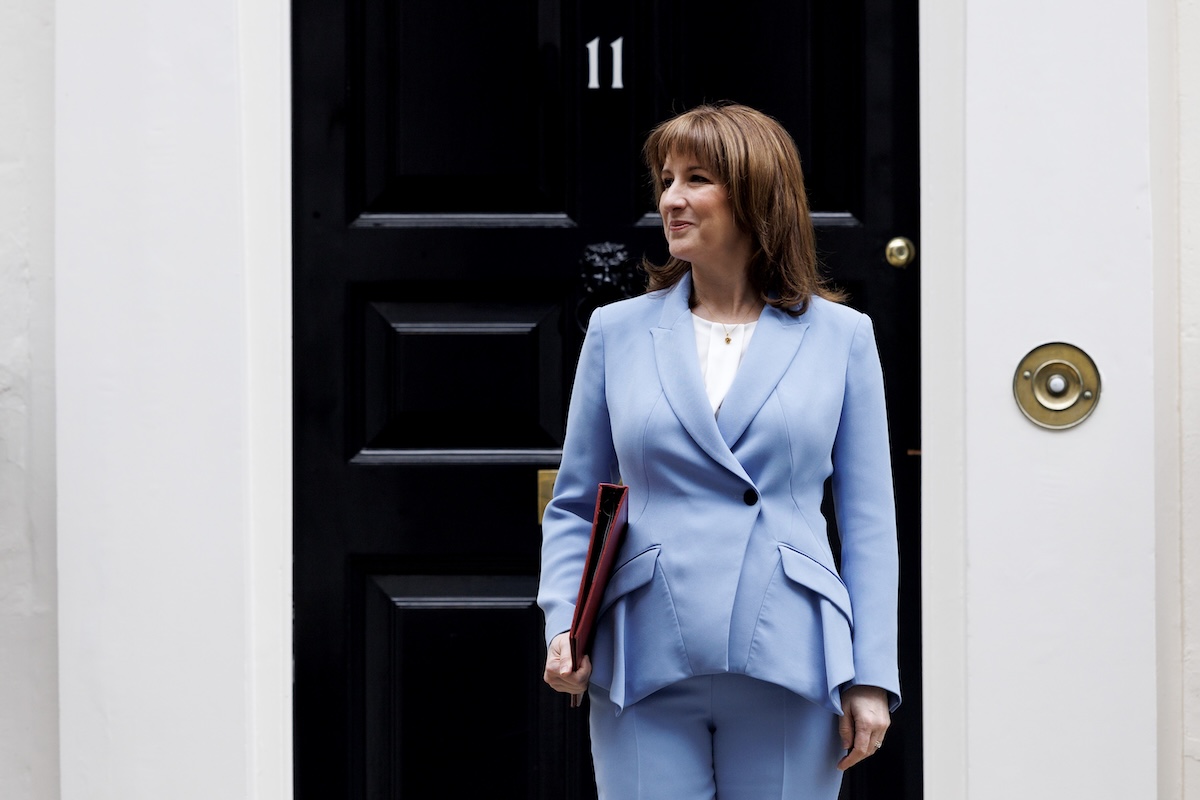
Chancellor Rachel Reeves presented her 2026 Spring Statement on Wednesday, using the financial update to emphasise stability for businesses, avoiding major tax or spending announcements while reinforcing the government’s broader economic strategy.
The update focused primarily on economic forecasts and fiscal progress following the more substantial tax and policy measures introduced in the previous Autumn Budget.
The chancellor confirmed that the government intends to concentrate major tax and policy changes into a single annual Budget, reducing the number of fiscal events that can create uncertainty for employers and investors. This approach is intended to help firms plan investment and hiring decisions with greater confidence.
Economic forecasts presented alongside the statement indicated a gradual improvement in the public finances, with government borrowing projected to fall steadily over the coming years.
The chancellor argued that the UK’s fiscal position has strengthened compared with previous projections, giving the government more headroom against its fiscal rules.
However, the economic outlook remains mixed. Growth forecasts have been revised down in the near term and businesses continue to face pressures from higher labour costs, regulatory changes and wider economic uncertainty.
Reacting, Neill Pemberton, partner and head of commercial property at Goughs Solicitors, said: “It is profoundly disappointing that today’s Spring Budget, just announced by the Chancellor, has not heeded industry concerns about the minimum wage’s impact on jobs, particularly for young people.
“Official data shows that UK youth unemployment has risen sharply, reaching its highest level in more than a decade, with around one in six young people out of work.
“Yet the Budget maintains the recent significant increases to wage floors without meaningful recalibration. Perhaps it is too soon to admit the mistake.
“I have consistently argued that while the minimum wage is well-intentioned, it does more harm than good.
“No system of determining wages is perfect, but my view is compensation levels are better determined by market forces and skills than centrally mandated by government. Wage interference risks pricing out the very groups these policies aim to support.
“Those expecting their GCSE or A-Level in Economics, who are the ones facing the challenge of finding work, will know that this is about demand and supply. As they quickly grab their pencil to draw the graph and intersecting lines, they are reminded that increasing the price of something will, for the most part, reduce demand.
“Employers contend with substantial labour burdens, particularly with the introduction of the Employment Rights Act, bringing with it more obligations and protections across the workforce.
“When you add this to the already increased National Insurance contributions, the earlier access to employee rights and benefits, and mandated minimum wage increases, it is no surprise that businesses are reconsidering entry-level hiring strategies.
“The Government is hiking up the price of employment. Employers look for cheaper alternatives. Many continue to explore offshoring, outsourcing, or accelerating AI deployment, to bring that price down.
“The position is getting worse, not better. I speak with mentees who tell me that graduate jobs that were available while they were doing their internship, now aren’t due to a shift in focus to what AI can do for them.
“In two conversations last week with a business owner and business operator, where there is no AI focus of note, both expressed an appetite to hire young workers. Both make business decisions when they hire. Both weigh the experience they will acquire against the cost of the wages. Both are led to the same conclusion: pay a little more for the experience.
“The facts I hear are conclusive, the minimum wage, at least at its current level, makes inexperienced candidates too expensive and too risky. Much of the Government’s action are neither pro-business nor pro-job seeker.
His colleague Amber Ballans, solicitor & employment law specialist, said: ““My view may be counterintuitive, that the adherence by successive governments to minimum wage theory has, in practice, failed the younger generation.
“The unemployment statistics for 16-24 year olds, particularly since 2022, bear this out. As increases in the rate of minimum wage continues to go up and outpace inflation, the rate of unemployment among those seeking the seemingly elusive minimum wage jobs continues to rise.
“Turning up the wage dial seems to be making the cries for jobs louder. Will any government realise the volume is too loud and turn it down? Or are all they all tone-deaf and unable to hear the screams of those looking for work? The reality is it would be politically unpopular to turn it down, and other world events provide the Government with the perfect set of noise-cancelling headphones.
“I generally favour fewer things mandated and more things curated. I want to see the Government focus more on what works for both the employer and the employee: skills.
“Employer contributions to initiatives that train candidates, like apprenticeships, while another significant cost to larger employees, are far more effective measures. They broaden the talent pool of experienced, enthusiastic, and affordable candidates.
“Most employers do not need to be told to pay more. Let’s be honest, modern employment legislation isn’t created to celebrate the behaviour of good employers – it’s a response to the poor behaviour of the few, and safeguards against the exploitation of vulnerable workers are an unavoidable byproduct of this.
“Sadly, a few ‘bad apple’ employers mean those employers we know are stuck with rules that they argue don’t work, and today’s announcements do nothing to remedy that.”
And Sam Kirkham, partner at Bristol accountancy firm Albert Goodman, said: “The Spring Budget delivered exactly what was predicted; no major tax or spending changes which provides for some stability.
“But for those facing rising tax burdens, squeezed incomes and challenging business conditions, in a global volatile and uncertain market, there remains concern for the economy. Rachel Reeves said little about the rising unemployment or the slowdown in growth.
A quieter fiscal event may calm markets, but it does little to calm the financial strain on households and businesses, who are expecting inflation to increase and a knock on impact to interest rates as a result of the conflict in the Middle East.
“Without meaningful policy adjustments, the issues identified last autumn will not only persist, they may intensify.”
Image: Lauren Hurley / No 10 Downing Street



Four new senior appointments at regional accountancy firm
Read more21.01.2026
Twenty-one trainees join accountancy firm Albert Goodman
Read more15.10.2025
Accountancy firm Albert Goodman celebrates a record-breaking year
Read more11.06.2025
Three new partners appointed at accountancy firm
Read more23.04.2025
Bristol International Balloon Fiesta to return in 2025 with Albert Goodman as lead sponsor
Read more13.03.2025
Two new directors appointed at Albert Goodman
Read more04.03.2025
Albert Goodman-led Rural Accountancy Group urges government to rethink inheritance tax increase on farmers
Read more27.01.2025
Forensic accounting partner appointed at accounting firm Albert Goodman
Read more03.12.2024