

Swindon & Wiltshire News

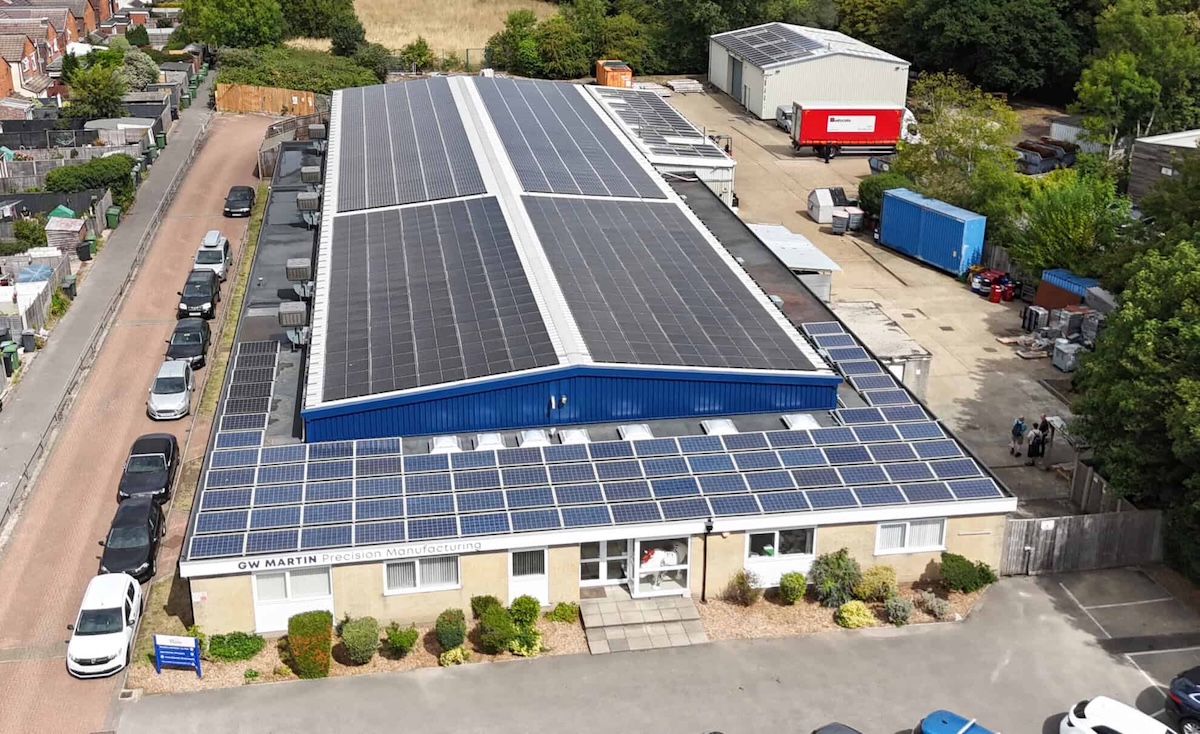
Good Energy urges longer business rates relief to unlock 1bn sq ft of warehouse roof solar
Renewable electricity supplier Good Energy is calling on the Government to extend Business Rates Improvement Relief for renewable energy projects beyond its current one-year period.
It says longer-term certainty could unlock more than one billion square feet of unused industrial and logistics roof space for solar power.
Chippenham-headquartered Good Energy supplies homes and businesses with 100 per cent renewable electricity from more than 3,300 British generators, while also installing solar panels, batteries and EV chargers and offering tariffs for EV drivers and heat-pump owners. It is headquartered at Monkton Park in Chippenham.
Under the current system, eligible improvements to commercial property receive Improvement Relief for one year, delaying any increase in business rates caused by works such as solar installation.
The scheme is due to expire in 2029, and Good Energy wants ministers to extend and strengthen it for qualifying renewable energy upgrades.
Research from Cushman & Wakefield estimates that Britain’s industrial and logistics buildings have more than one billion square feet of usable rooftop space, capable of generating around 36,486 GWh of solar electricity a year – enough to power nearly 14 million homes annually.
Yet the UK Warehousing Association says only about five per cent of UK warehouses currently have solar installed.
Good Energy argues that commercial solar can typically pay back in under five years, making rooftop generation a compelling investment for energy-intensive businesses. It says on-site solar is particularly valuable where firms use substantial amounts of electricity during daylight hours, because generated power can be consumed directly rather than bought from the grid.
Carl Hogg, Managing Director of Services at Good Energy, said: “We have spent a lot of time debating how to make new buildings greener, but there is an enormous clean-energy opportunity sitting above businesses that are already operating today.”
He added: “The technology and commercial case are already there. What we need to focus on now are the practical barriers stopping projects from getting off the ground, whether that is the relationship between landlord and tenant, the condition of the roof, finance or difficulties around connecting to the grid.”
Good Energy identifies grid connection delays, structural constraints, insurance requirements, lease restrictions and misalignment between landlords and tenants as persistent obstacles to solar deployment on existing warehouses.
“Extending the relief period for qualifying renewable energy projects would strengthen the financial case for retrofitting existing commercial buildings, unlocking underused rooftop space and supporting the UK’s clean power ambitions at a time when every available roof should be helping generate home-grown energy,” Hogg said.
With the Government set to review Improvement Relief ahead of its planned 2029 expiry, Good Energy says the policy decision could determine whether Britain’s vast commercial roofscape becomes a major source of affordable, home-grown electricity – or remains largely idle.




Good Energy signs biggest supply deal
Read more15.07.2026
Good Energy marks fifth solar acquisition in 18 months
Read more19.03.2026
Good Energy partners with Wiltshire College to launch new green skills training facility
Read more09.03.2026
Businesses invited to take part in Climate Summit 2025
Read more29.05.2025
Mini Miliband and tiny Farage argue about climate crisis in model village
Read more23.04.2025
Good Energy celebrates ‘strong’ performance as it prepares for takeover
Read more28.03.2025
Good Energy shareholders approve £100 million Dubai acquisition
Read more14.03.2025
Good Energy to host sustainability event for local businesses
Read more06.02.2025