

Swindon & Wiltshire News

Why South West workers are staying put in their jobs – CMD Recruitment
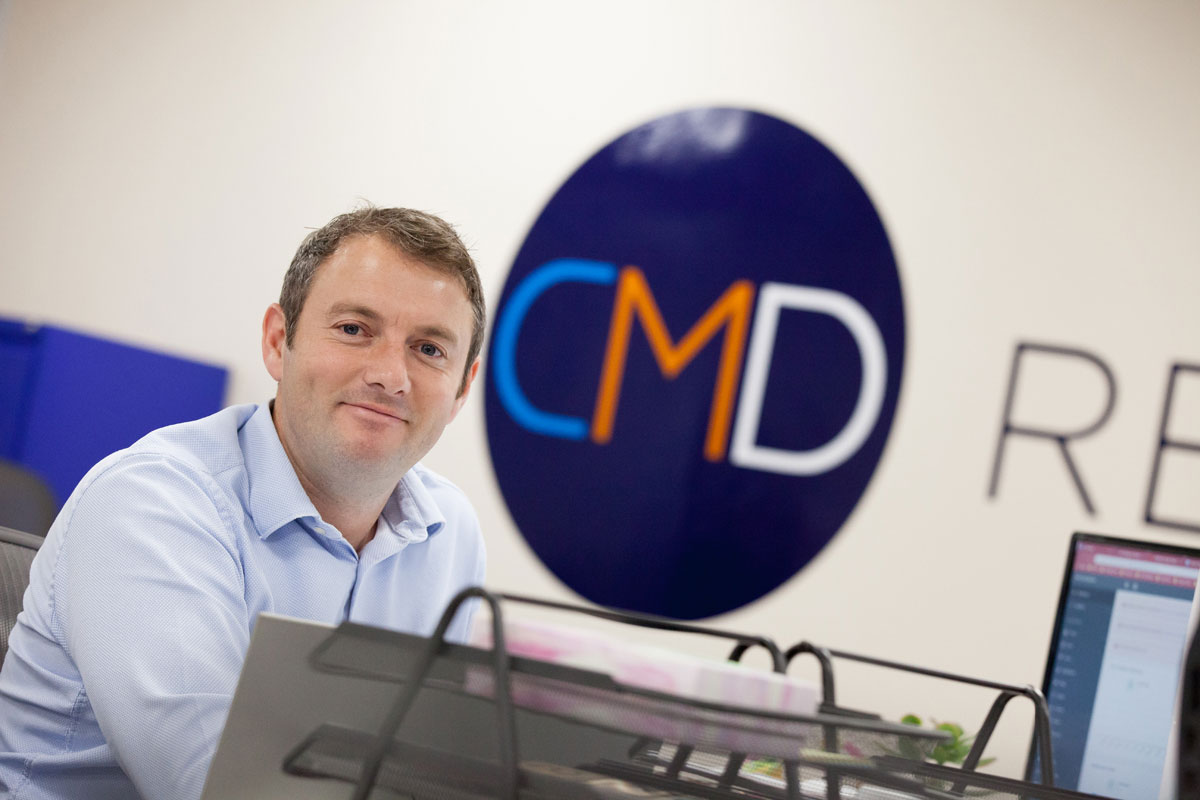
Why are the West’s workers hugging their jobs? Dan Barfoot of CMD Recruitment explains.
There’s a term doing the rounds in HR circles right now: job-hugging.
It describes something recruiters across Bath, Bristol, and the wider South-West have been seeing up close for the past eighteen months: people clinging to jobs they genuinely don’t want, because the alternative feels too risky.
The cost of renting in Bristol has risen faster than wages three years running.
Bath regularly tops national lists for housing unaffordability. So when a candidate is asked “what’s stopping you from making a move?”, the honest answer isn’t about career satisfaction; it’s about the mortgage stress test they couldn’t pass last year, or the landlord who just hiked their rent again.
Job hugging is the labour market’s response to financial anxiety. And it’s creating a specific kind of stagnation in South-West SMEs.
What Job Hugging Actually Costs Employers
The obvious symptom is a shrinking talent pool. Fewer active candidates. Slower fills. More pressure on whoever is still willing to move.
But the less visible cost sits inside the business. When staff stay because they feel stuck rather than because they’re engaged, productivity takes a quiet hit.
Resentment builds gradually. And when those employees do eventually leave, it’s often sudden, and frequently to a competitor who offered something they couldn’t say no to.
The 2026 HR Disrupted series flagged job hugging as a primary barrier to talent mobility in high-cost regions, with Bath and Bristol named explicitly. It’s not a national problem. It’s a regional one, and it needs a regional answer.
Employers: You Can’t Recruit Your Way Out of This
If your hiring process relies on catching motivated movers at the exact moment they’ve decided to act, you’re working with a shrinking window. Job huggers don’t apply to job boards. They don’t respond to generic InMails.
What shifts behaviour is reducing the perceived risk of change. That means:
- Transparent compensation benchmarking shared upfront, not as a negotiation tactic at offer stage
- Clear hybrid and flexibility arrangements communicated before interview, not discovered during onboarding
- Realistic timelines that don’t leave candidates in a six-week vacuum wondering if they’re still being considered
None of this is radical. It’s just deliberate. And in a market where talent mobility is suppressed, the employers who reduce friction will consistently outperform those who don’t.
Candidates: Moving Doesn’t Have to Mean Gambling
If you’re in a job you’ve outgrown but you’re scared to leave, the fear is rational. We get that. The South-West housing market doesn’t reward risk.
What most people don’t account for is the hidden cost of staying. Stalled salary growth. Missing the window on a role that would have changed the trajectory. Skills that plateau because there’s no new challenge.
The candidates we place who’ve made moves in the past twelve months haven’t done it recklessly. They’ve done it with information. Knowing the market rate. Understanding what a probation period looks like and what protections exist. Getting clarity on hybrid patterns before accepting. A move made with eyes open isn’t a gamble. It’s a decision.
The Bigger Picture for South-West SMEs
Talent mobility in high-cost regions doesn’t recover quickly. Even as economic conditions shift, people’s risk appetite takes longer to follow.
That means 2026 and likely 2027 will require more intentional employer positioning, not just better job ads.
The businesses that will come out of this with stronger teams are the ones treating recruitment as a relationship-building exercise, not a transactional one.
That means staying visible to passive candidates, communicating your culture consistently, and making the decision to join you feel like the least risky thing a strong candidate could do.
Dan Barfoot is operations manager at CMD Recruitment





South of England hiring cools as permanent placements fall again
Read more14.10.2026
Temp billings growth accelerates to joint-quickest in over three years
Read more17.09.2026
Pay rises outpace hiring slowdown, jobs report says
Read more20.08.2026
Jobs: temp billings continued to climb in June
Read more13.07.2026
Hybrid Working Policies: How to Get Them Right
Read more17.06.2026
Temp billings rise as employers hold back on recruiting
Read more09.06.2026
Permanent recruitment fell sharply in April – report
Read more13.05.2026
Why salary transparency is no longer optional when hiring – CMD Recruitment
Read more06.05.2026