

Swindon & Wiltshire News

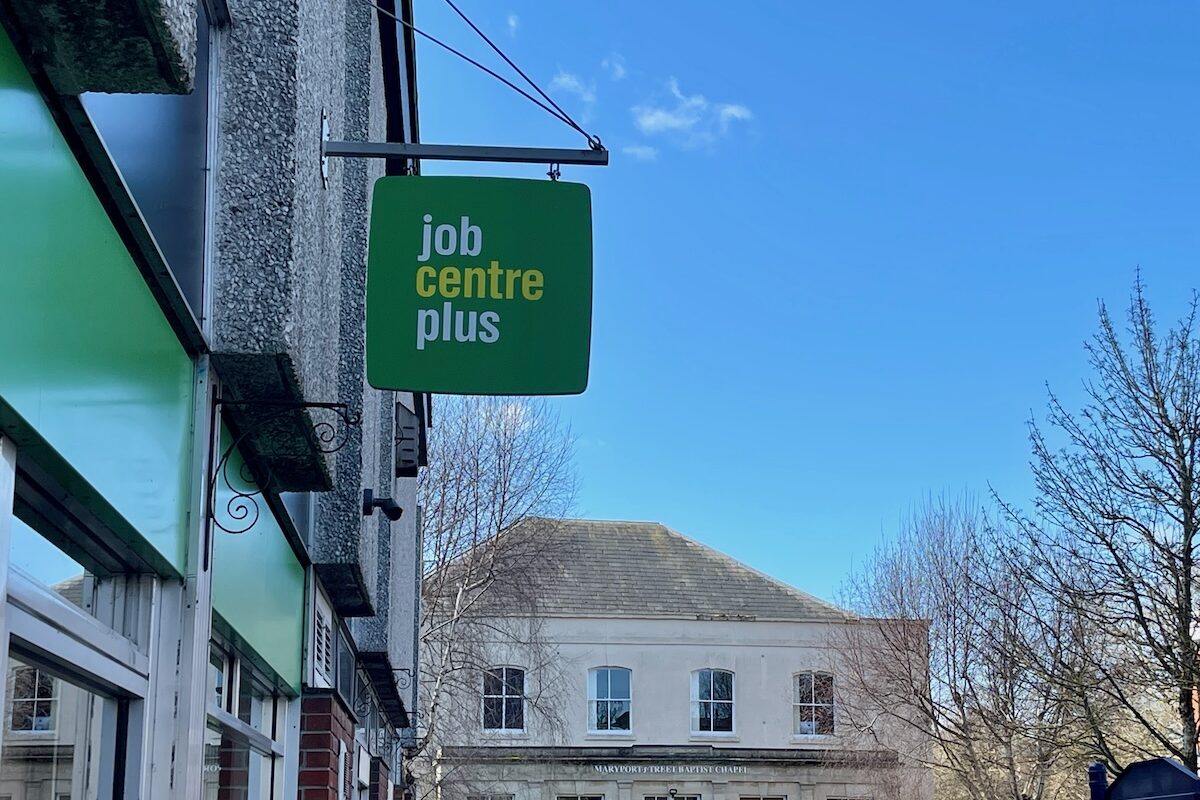
Permanent staff appointments fell at quickest rate for six months in March
A steeper fall in permanent job placements across the South in March highlighted continued caution among employers as uncertainty over the economic outlook weighed on hiring, according to the latest KPMG and Recruitment & Employment Confederation UK Report on Jobs.
Vacancies also declined sharply, while reports of redundancies pushed candidate numbers higher. Pay growth remained subdued, especially for permanent starters, with salaries rising only modestly.
The number of people placed into permanent jobs in the South of England fell for a third straight year in March. The pace of decline accelerated from February and was the sharpest in six months, with businesses said to be delaying long-term hiring decisions amid cost pressures and wider uncertainty.
Survey data showed the 32nd consecutive monthly drop in demand for permanent staff in the region. The contraction was sharp and faster than the UK average. Demand for temporary workers also weakened again, extending a run of decline to 28 months. That fall was broadly in line with the previous month and the national trend.
Candidate supply continued to rise. Availability for permanent roles increased for the 37th month in a row, and the pace of growth hit a three-month high. Reports suggested redundancies linked to weaker conditions and cost concerns were boosting the pool of jobseekers. The South recorded the softest rise among the four monitored English regions.
Temp candidate numbers also rose at a marked pace, with growth accelerating for the first time in four months. Fewer openings and slower hiring were cited as drivers.
On pay, average starting salaries for permanent roles rose for a fifth consecutive month, though only modestly. The South posted the strongest increase among the English regions. Recruiters said competition for scarce skills supported pay, while tighter budgets and a larger candidate pool limited gains.
Hourly pay for temporary workers also increased at a solid and faster pace in March, matching the joint-quickest rate since last May, but still below the long-run average.
David Williams of KPMG UK said: “March’s figures suggest that many employers across the South of England are still approaching hiring with caution.” He added: “But the fact that permanent starting salaries continued to rise… is a reminder that employers are still willing to invest.”
Neil Carberry of the REC said: “The Gulf Conflict provided a headwind to hiring in March,” but added that “there are jobs for people with the right skills in the South.”
Dan Barfoot, operations manager at CMD Recruitment, which contributes to the report, said: “This was always going to happen, despite rose-tinted glasses by what is released in the media.
“Employers have had rising costs since last year, and the job market is seeing the effects of this and will feel it for the rest of the year.”





South of England hiring cools as permanent placements fall again
Read more14.10.2026
Temp billings growth accelerates to joint-quickest in over three years
Read more17.09.2026
Pay rises outpace hiring slowdown, jobs report says
Read more20.08.2026
Jobs: temp billings continued to climb in June
Read more13.07.2026
Hybrid Working Policies: How to Get Them Right
Read more17.06.2026
Temp billings rise as employers hold back on recruiting
Read more09.06.2026
Permanent recruitment fell sharply in April – report
Read more13.05.2026
Why salary transparency is no longer optional when hiring – CMD Recruitment
Read more06.05.2026