Swindon & Wiltshire News

Workplace EV charging set to expand as planning rules ease
Businesses will find it easier to expand electric vehicle charging for staff, customers and fleets under new planning rules that have come into force in England.
The reforms simplify permitted development rights for EV charging infrastructure, including commercial car parks and larger charging hubs.
Employers no longer face the same planning barriers when adding charge points to workplace sites, making it quicker and cheaper to scale up provision.
The change is expected to benefit firms with staff who drive electric vehicles, customer-facing sites with visitor parking, and businesses operating company cars or vans.
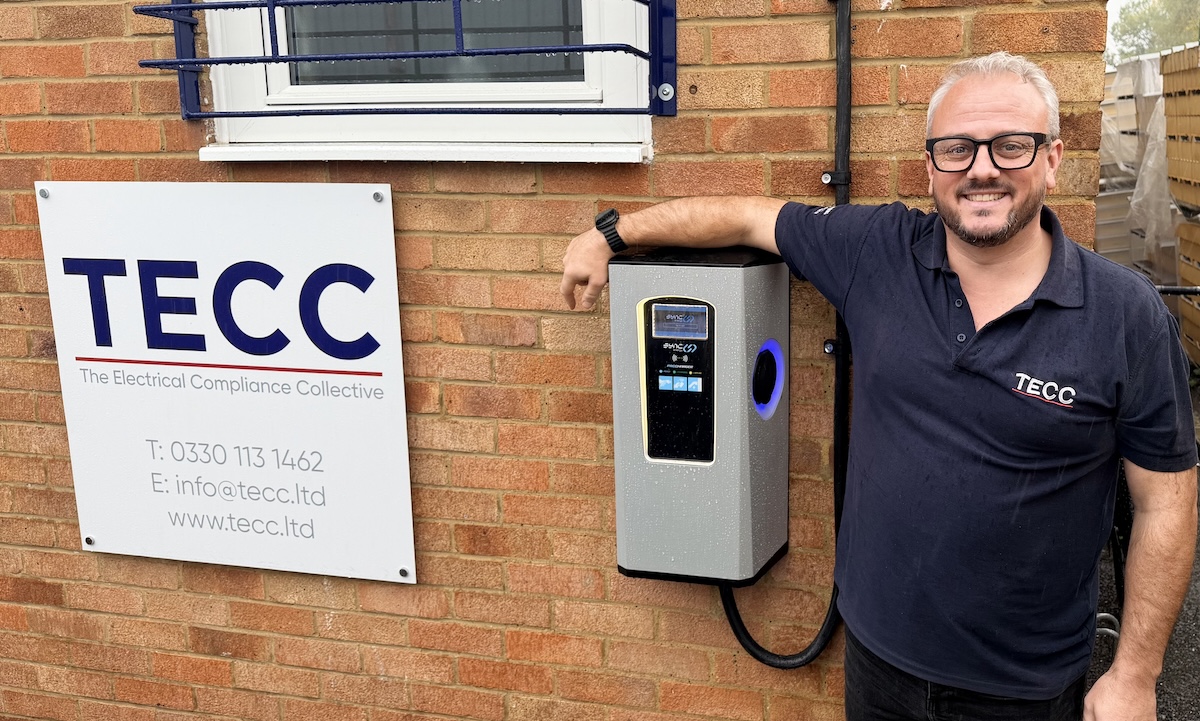
Peter McCallum, joint managing director of Swindon electrical contractor TECC Ltd, said the reforms would ease pressure on workplaces struggling to keep pace with EV adoption.
“The new rules will simplify certain planning requirements for EV charging infrastructure in commercial car parks and make it easier for businesses to expand their charging facilities,” he said. “This eases the pressure for employees, customers and company vehicles.”
For many employers, limited charging provision has become a practical problem. Staff without home charging increasingly rely on workplace charge points, while businesses with fleets face growing demand for overnight or shift-based charging.
McCallum said easier installation would help firms plan ahead rather than react to demand.
“Businesses need charging infrastructure that keeps up with their workforce and their vehicles,” he said. “Making it simpler to expand provision means employers can support staff, serve customers and keep fleets moving.”
The reforms also remove the need for planning permission for cross-pavement home chargers, a change expected to save drivers up to £300 per installation. That, in turn, could reduce pressure on workplace charging, as more employees gain access to home charging.
Restrictions remain. Conservation areas, listed buildings and scheduled monuments face additional controls, and some installations will still require separate approvals.
McCallum said the changes were good news for the electrical industry as well as employers.
“It’s a positive step for the electrical industry, creating more opportunities for qualified installers while making electric vehicle ownership more accessible,” he said. “It’s also a step in the right direction environmentally.
“If we’re serious about encouraging more people to switch to electric vehicles and reduce transport emissions, we need to make charging at home and at work a realistic option for as many people as possible.”
TECC Ltd is a family-run electrical contractor providing domestic, commercial and industrial electrical services, including EV charger installations, solar PV, battery storage and compliance testing.