

Swindon & Wiltshire News
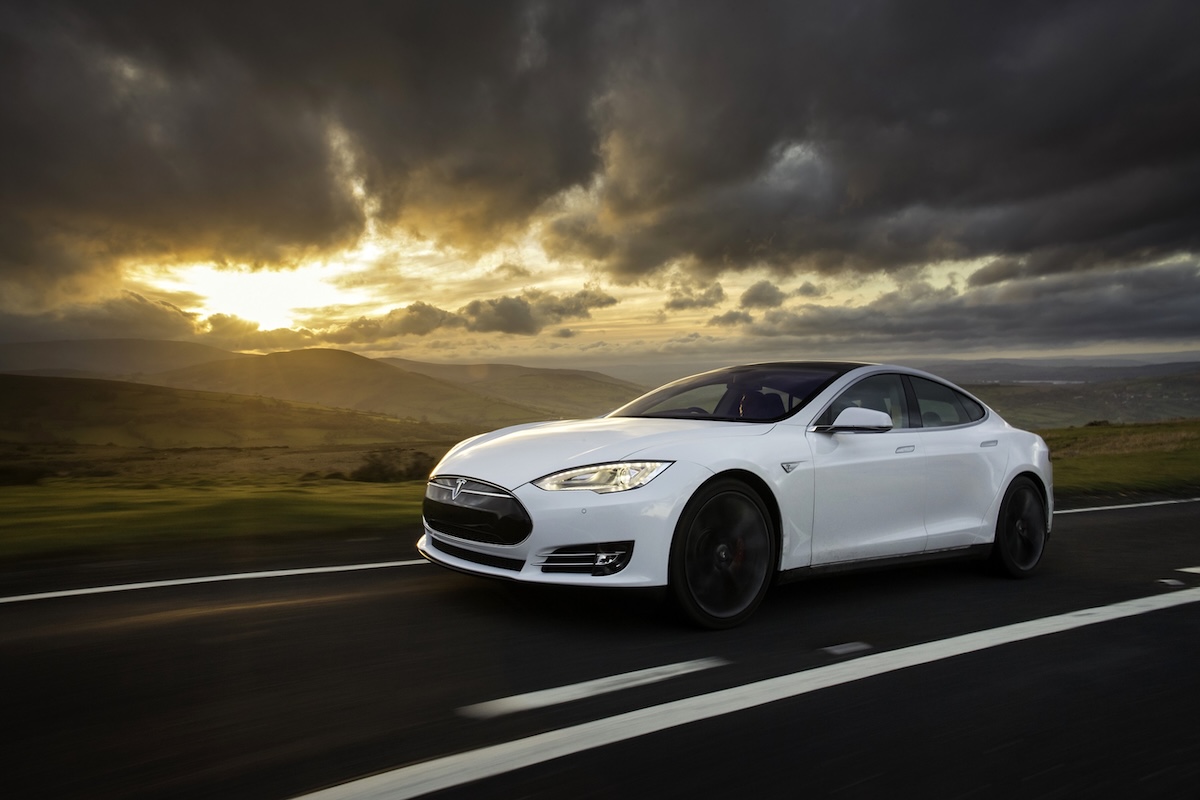
Electric vehicles – still a good choice for business owners? – Optimum Professional Services
Are electric vehicles still a good choice for business owners, wonders Expert of the Week Michael Blaken of Optimum Professional Services
There’s no doubt, that running an electric vehicle isn’t the clear-cut, cost-efficient option it used to be.
In the last Budget, the Chancellor unveiled the new Electric Vehicle Excise Duty (eVED), a pay-per-mile road charge starting April 2028.
Under this regime, owners of electric vehicles will pay 3p/mile and those with plug-in hybrids will pay 1.5p/mile.
The Government has announced this change to help recoup lost fuel duty revenue.
How this new system will work is yet to be determined, and the Government has opened it up for consultation.
Basing the information on MOT mileage reporting is problematic, as cars don’t require an MOT until they are three years old. Self-reporting may be an option, but will be onerous for drivers.
The news of this additional cost comes on top of a change introduced in April 2025, when the EV exemption for Vehicle Excise Duty came to an end.
For most EV drivers, the annual VED is now £195 a year. However, drivers of new electric cars with a list price exceeding £40,000 could pay as much as £620 a year.
Here’s the new fee system:
- New zero-emission cars registered on or after 1 April 2025 are liable to the lowest first-year rate of road tax, which is currently £10 a year.
- From the second year of registration onwards, they will move to the standard rate, of £195 a year.
- Zero emission cars first registered between 1 April 2017 and 31 March 2025 will also pay the £195 standard rate.
- Cars with a list price exceeding £40,000 are liable for the Expensive Car Supplement (this is increasing to £50,000 from 1 April 2026, applying to cars registered from 1 April 2025). This adds an extra £425 bringing the total annual road tax for ‘expensive’ cars to £620. The surcharge is applied for five years, starting from the second year of registration.
- Zero and low emission cars first registered between 1 March 2001 and 30 March 2017, moved into the Band B rate, now paying £20 a year.
- Zero emission vans moved into the rate for petrol and diesel light goods vehicles, currently £335 a year for most vans.
- Zero emission motorcycles and tricycles moved to the rate for the smallest engine size, currently £25 a year.
Benefit in kind tax rates are increasing for all company car owners, albeit more slowly for owners of EVs.
Currently the benefit in kind tax rate for EVs is three per cent, but by 2029/30, this will have risen to nine per cent – it’s another cost consideration for company car owners.
All these changes add up, and will significantly affect the running costs of EVs, especially for owners of premium models. Budgeting for these specific costs is crucial before purchasing an EV.
Michael Blaken is accounts director at Optimum Professional Services




Is Flat Rate VAT right for your business? – Optimum Professional Services
Read more18.08.2026
Why AI can’t replace real professional advisers – Optimum Professional Services
Read more15.07.2026
Navigating the 2026 Summer VAT reduction – Optimum Professional Services
Read more01.07.2026
Does a sole trader need to be VAT registered? – Optimum Professional Services
Read more03.06.2026
Navigating rising costs: a guide for business owners – Optimum Professional Services
Read more30.04.2026
Landlords: remember to claim mortgage interest relief – Optimum Professional Services
Read more12.03.2026
Why companies need a shareholders’ agreement – Optimum Professional Services
Read more12.02.2026
Get your business and finances ready for 2026 – Optimum Professional Services
Read more14.01.2026