
Swindon & Wiltshire News
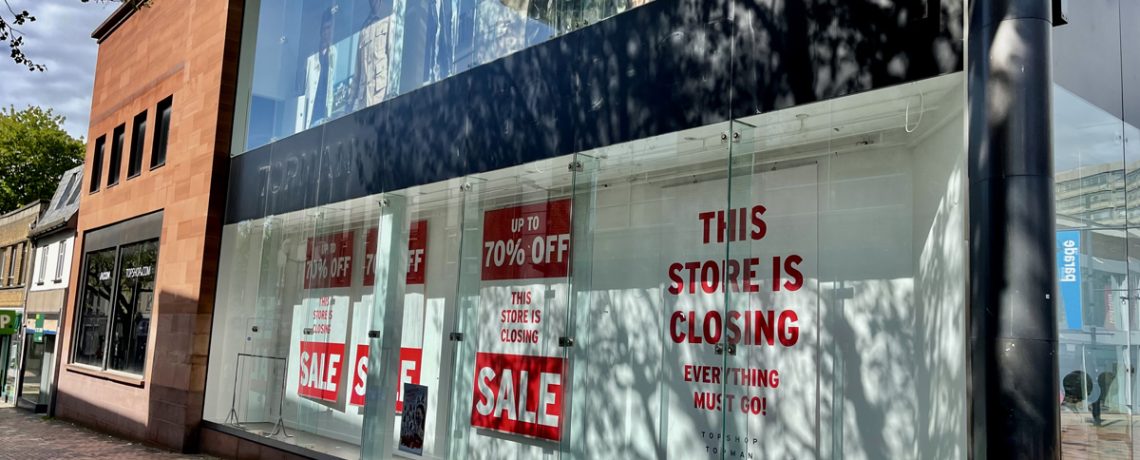
Inflation has probably peaked, but damage remains say business leaders
The UK’s inflation rate dipped by more than expected to 10.7 per cent in November, figures from the Office for National Statistics revealed today (Wednesday).
But despite the fall from 11.1 per cent, the rate remains at a 40-year high.
Meanwhile, separate figures from The Insolvency Service, published today, show registered company insolvencies hit by 2,029 in England and Wales in November – 21 per cent up on the previous year, and 35 per cent higher than the number registered before the pandemic.
Commenting on the inflation figures David Bharier, head of research at the British Chambers of Commerce, said: “Today’s inflation rate of 10.7 per cent may indicate we have passed the peak, but prices are now at a much higher level which will be felt for months to come.
“Our research shows that inflation remains by far and away the number one concern for businesses. Even if the rate of increase starts to slow, the damage to business confidence has been significant.
“With their margins left razor-thin, very few SMEs are planning to increase investment as they deal with a wall of higher energy bills, input costs, interest rates and taxation.
“Over half of SMEs tell us they will struggle to pay their electricity and gas bills after April. They will be nervously awaiting the government’s expected announcement on the future shape and extent of any energy costs support, which will also impact inflation.
“Firms also need to see concrete action on infrastructure, skills, trade, and green tech to create the right environment to invest.”
And Alpesh Paleja, lead economist at the CBI, said: “The fall in inflation last month supports our view that we’ve likely passed its peak.
“We expect inflation to continue falling gradually over the year ahead, as global price pressures ease and an economic downturn takes some of the heat out of price setting.
“Despite this, costs and price pressures will likely remain very high in the near-term, putting continued pressure on vulnerable households and businesses.
“Government support has been considerable already, but with the UK set to fall into a recession, targeted measures must be extended to those that need them most. In particular, businesses need clarity on a targeted extension to the Energy Bill Relief Scheme, which should be aimed at supporting heavy energy users.”
Meanwhile, the Federation of Small Businesses continued to call for an extension to the Energy Bill Relief Scheme, which is due to end in March.
It warned that one in four (24 per cent) small firms plan to close, downsize or restructure if energy relief comes to a sharp end.
This rises to 42 per cent of firms in the accommodation and food sector, followed by the wholesale and retail (34 per cent), and manufacturing sectors (29 per cent) according to FSB research.
FSB national chair Martin McTague said: “After two long years of Covid, this Christmas was supposed to the one bringing back that small business spirit – but many small firms are now worried that they might have to shut their doors for good in a few months, if not weeks.
“More than 16 million jobs are in small firms. Our members are telling us their businesses as well as their staff are dependent on government support in this energy price crisis.
“We’d like to see the upcoming publication of the review taking business size into account, acknowledging the fact that small firms have typically lower margins and are least able to deal with skyrocketing energy costs – a purely sector-based decision will lead to deadweight and unfairness.
“At the same time, the government must intervene when energy suppliers find routes to inflate prices, raise standing charges, and ask for disproportionate upfront payments – these heavy-handed practices defeat the whole purpose of the multi-billion-pound relief scheme and will drive more small firms to go under.”




British businesses ‘need a bazooka’ to take on Trump, China and the effects of Brexit
Read more27.04.2026
Business confidence slips following Autumn Budget
Read more09.01.2025
British Chambers of Commerce upgrades growth forecast for 2024
Read more06.09.2024
UK tips into recession – business organisations react
Read more15.02.2024
Business representatives gather at Heathrow to call on Chancellor to ditch ‘tourist tax’
Read more07.02.2024
Autumn Statement – Chancellor announces tax cuts for firms and workers
Read more22.11.2023
Business organisations welcome interest rates freeze
Read more22.09.2023
Business leaders react to interest rate hike
Read more23.06.2023