
Swindon & Wiltshire News
Getting your business finances right in 2026 – PPS Chartered Accountants
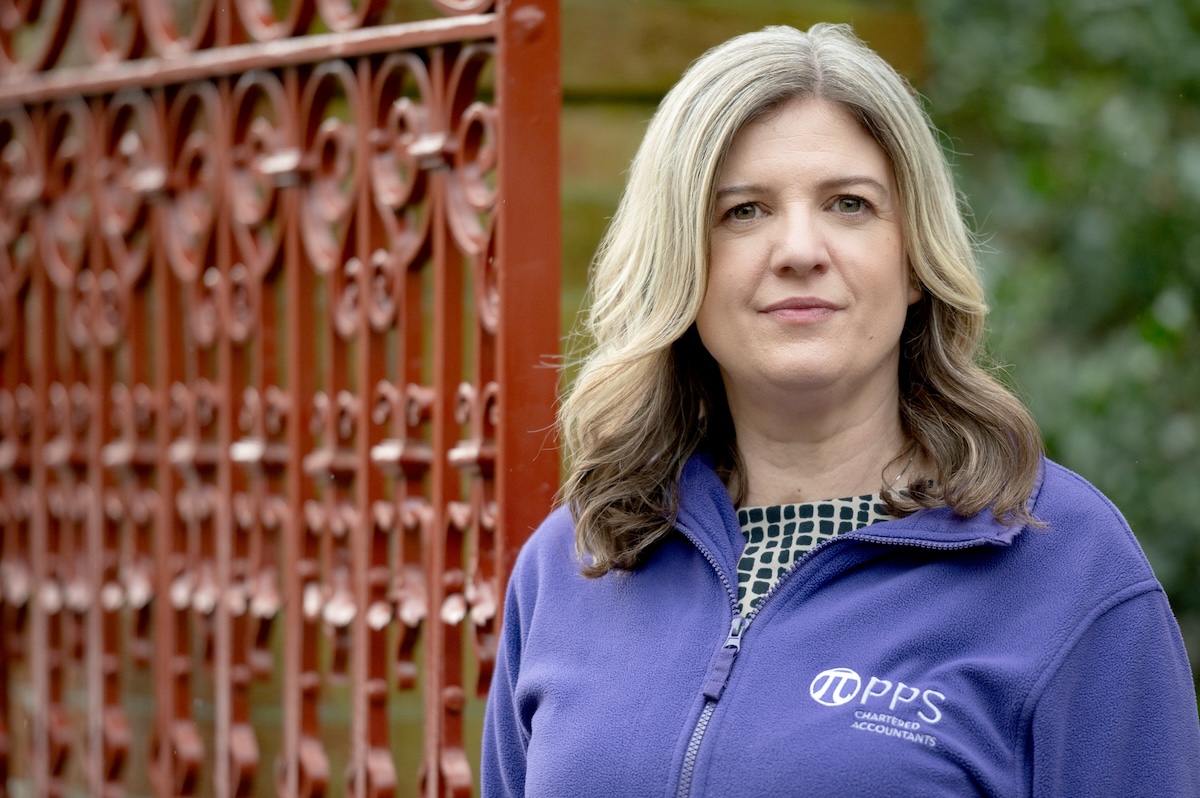
With business owners and professionals ringing in the new year, Sally Holland of PPS Chartered Accountants in Swindon shares her top five practical tips to support businesses seeking to start the year off with financial confidence.
Self-employed are getting ready for January deadline
HMRC recently reached out to self-assessment taxpayers to provide warning of this nearing deadline both to file their tax return and pay their due tax by Saturday, January 31. This tax return is for the April 2024 to April 2025 tax year.
Self-assessment taxpayers do not have to pay outright for tax bills under £30,000, a payment plan is accessible via HMRC’s ‘Time to Pay’ service.
There have already been 18,000 payment plans set up this tax year and HMRC has set up this service to provide flexibility for people, allowing them to schedule payments in accordance with their circumstances to avoid the stress of paying a large bill at the end of January, when finances are tight.
Be aware of tax changes on the state pension
After the Autumn Budget, the Chancellor has clarified her statement regarding her comments that nobody would pay tax on their state pension despite it being higher than the personal allowance by April 2027.
Rachel Reeves clarified that the new state pension will be below the frozen personal allowance. From April 2027, the state pension will grow and exceed the personal allowance and be eligible for taxation. Reeves has since stated that the state pension will not be taxed.
This has come as a relief for older people, but some call it ‘inter-generational unfairness’, as working people on modest incomes won’t have the same benefit when they are pulled into a higher tax band due to the freeze on personal allowance.
Review costs and trim unnecessary spending
Go through your regular outgoings and consider whether they are genuinely adding value. Subscriptions, software and supplier contracts can quickly add up.
Every business has hidden costs that creep in. By trimming back on what isn’t essential, you free up money to invest in areas that will actually help your business grow.
What pensions will look like
Currently, the salary sacrifices scheme works to allow your employer to pay into a pension without paying income tax or National Insurance (NI) on that portion.
From April 2029, the NI benefit will be capped at £2,000 which means contributions above this will being relieved of Income Tax but not NI contributions.
This will reduce take-home pay and affect how much an employer contributes to your pension. Whilst this is three years in the future, it’s important to continue with your contributions, especially if you are a high earner.
Work-from-home tax relief is ending
Currently, workers can claim a flat £6 weekly allowance or actual additional costs, with claims backdated up to four tax years. From April 2026, these tax reliefs will be suspended.
HMRC says the change addresses non-compliance and fairness as over half of claims checked were found to be ineligible. They estimate that around 300,000 employees will be affected and basic rate taxpayers will pay about £62 more per year and higher taxpayers about £124 more.
It’s important you’re aware of what changes affect you and if you’ll have to return to the office.