

Swindon & Wiltshire News

Sharp rise in neurodiversity-related tribunal claims – Irwin Mitchell
There’s been a sharp rise in the number of tribunal claims related to employees with neurodiverse conditions, with ADHD-related claims seeing an 8.5-fold rise since 2020, according to new figures from Bristol law firm Irwin Mitchell.
The figures, drawn from the latest data published by the Ministry of Justice, show that the number of tribunal decisions citing ADHD rose from just six in the first half of 2020 to 51 in the first half of 2025 – a 750 per cent increase.
Other key findings include:
- Autism-related decisions nearly doubled, rising from 27 to 53 cases – a 96.3 per cent increase.
- Dyslexia cases rose by 78.4 per cent, from 37 to 66.
- OCD-related decisions doubled from four to eight.
- Dyspraxia saw a 175 per cent increase, from four to 11 cases.
- Tourette Syndrome remained consistently high, with 56 decisions in H1 2025, up from 48 in H1 2020.
While some conditions such as Dyscalculia and Dysgraphia remain less frequently cited, the overall trend points to a growing awareness and willingness among employees to challenge workplace discrimination related to neurodiversity, says the firm.
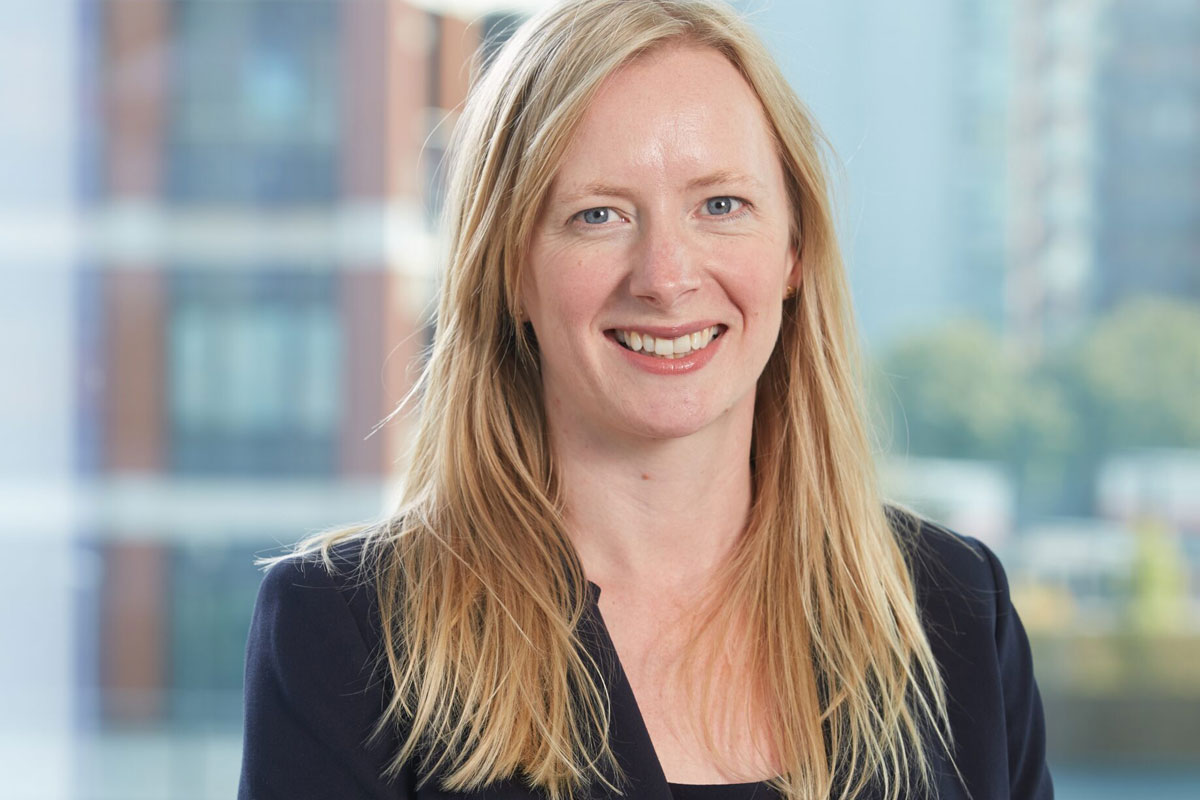
Jenny Arrowsmith, a partner in Irwin Mitchell’s employment team, said: “This data underscores the importance of inclusive workplace practices and the legal risks employers face if they fail to make reasonable adjustments to enable neurodiverse employees to thrive at work.
“We’re seeing a clear upward trend in claims, particularly around ADHD and autism, which reflects both increased diagnosis and greater employee confidence in asserting their rights.
“Linked to this, before matters get to employment tribunal, we’re seeing more issues arising in which an individual’s behaviour is a factor in what’s happened, why and what response the employer should take.”
The rise in ADHD-related claims comes amid growing public discourse around neurodiversity.
Recently, TV presenter Gregg Wallace referenced his autism diagnosis in response to allegations of workplace misconduct.
While the case sparked debate, it also highlighted the need for clearer understanding of how neurodiverse conditions intersect with workplace behaviour and accountability to address and avoid issues for both the employee and the employer.



Reading is expected to be the second-fastest growing city this year, with Swindon and Bristol performing well – report
Read more13.01.2023
Supreme Court ruling will place significant burden on thousands of employers – Irwin Mitchell
Read more20.07.2022
Bristol’s economy growing quickly but Reading and Swindon set to outpace in 2023, according to Powerhouse report
Read more18.05.2022
Majority of businesses failing to deal with menopause in the workplace – Irwin Mitchell
Read more31.03.2022