

Swindon & Wiltshire News
University of Bristol to remove Colston’s dolphin from its logo as part of racial inequality pledge
The University of Bristol has pledged £10 million over the next decade to develop a programme that will address racial injustice and inequalities both within the university itself and in the local communities it works with.
The move will also include “presenting the institution’s founders’ historic links to enslavement in a proper context.”
And as part of the initiative, Edward Colston’s dolphin emblem will be removed from the university logo.
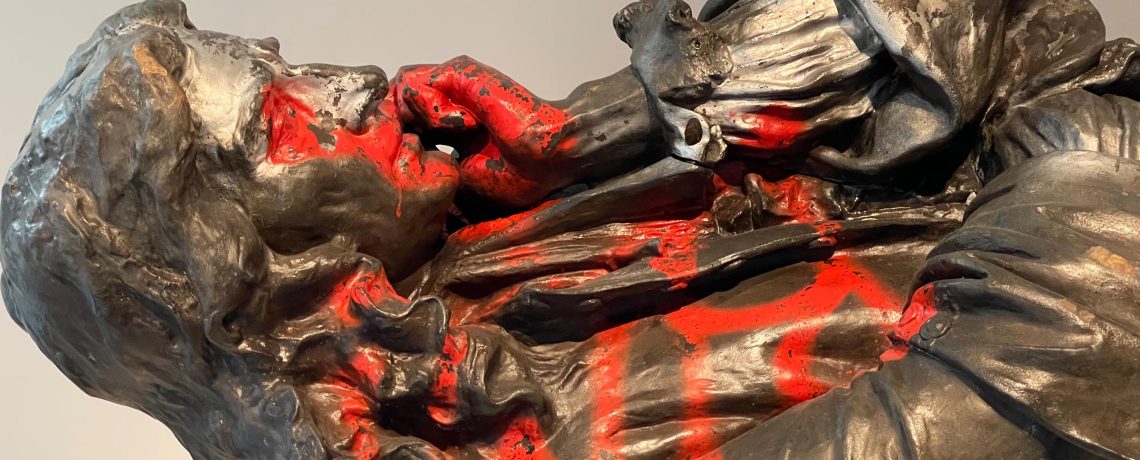
Colston was a 17th century investor in the slave trade whose 20th century statue (pictured) was toppled, defaced, and thrown into Bristol Docks during a Black Lives Matter protest in 2020.
The university received no funding from Colston – who died nearly 200 years before it was founded – but his personal emblem formed part of the institution’s crest and modern logo.
However, the current names of buildings including Wills and Fry will remain, the university said.
The Wills and Fry families helped found the University in the early 20th century through substantial financial gifts.
While the families did not own or traffic in enslaved people, the products that their 18th and early 19th century predecessors dealt in – such as tobacco, sugar and cocoa – were connected to enslaved labour.
The university says it will work with staff, students, and local communities to ensure the full stories of the institution’s origins, both positive and negative, are made more visible.
The sun symbol of the Wills family and the horse emblem of the Fry’s will remain on the university’s logo.
The announcement follows a public consultation over the past 12 months with students, staff and local communities which was centred on whether seven buildings, whose names were linked to families and figures with connections to the transatlantic trade in enslaved Africans or associated products such as tobacco, sugar and cocoa, should be renamed – including Wills, Fry and Colston.
More than 4,000 people took part in the consultation.
The resulting Reparative Futures programme will build on some of the significant initiatives that are ongoing, and that the University has already invested in over the last few years, such as the Black Bristol Scholarships Programme.
In addition, the University said it will create a community fund for proposals from local groups to work with University of Bristol colleagues on collaborative education and research initiatives that tackle educational, health, and economic inequalities.
Partners and experts from ethnically diverse communities will be appointed to support the University’s Reparative Futures programme.
The university’s vice-chancellor, professor Evelyn Welch, said: “I would like to thank everyone who took the time to respond to our survey both online and at in-person sessions, including several powerful and impactful events that were led by local Bristol communities of African and Caribbean descent.
“Throughout, I heard many distressing stories from those who had experienced racism and racist behaviours while engaging with, working at, or studying at the University of Bristol.
“What began as a consultation on our history and building renaming became a powerful platform to expose deep hurt and frustration with our slow progress and commitment to racial equity.
“I am deeply sorry for these damaging and hurtful experiences which continue to the present day, and I apologise to everyone impacted by those injustices. We aspire to be an inclusive institution and we must do better.
“I know that some of these decisions will not please everybody – but we have listened carefully. We must tell our history in an honest, open and transparent way, while at the same time putting our full weight behind substantive action to address the broader issues of systemic racism and inequality here in Bristol and beyond.”



Bristol Uni named best in south west
Read more21.09.2026
Giant pollen grain comes to Bristol as part of Uni celebrations
Read more15.09.2026
University of Bristol climbs to sixth in national league table
Read more21.08.2026
University of Bristol researchers turn ideas into winning innovations
Read more17.06.2026
Bristol University among best for producing business leaders
Read more30.04.2026
New director of innovation appointed at the University of Bristol
Read more15.01.2026
Bayeux Tapestry was mealtime reading for medieval monks, claims Bristol professor
Read more16.12.2025
University of Bristol launches 12 social venture spinouts
Read more01.12.2025