
Swindon & Wiltshire News

Devolution could boost rural economies – report
English devolution could unlock billions in extra tax receipts and level up long‑overlooked rural economies, according to a new report from countryside charity the Campaign to Protect Rural England.
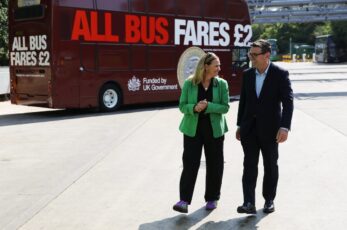
Devolution has hit the headlines again this week, with Manchester mayor and prime minister-in-waiting, Andy Burnham, making the extension of devolution a keystone of his leadership bid.
But the report will be frustrating reading for civic leaders in Wiltshire, whose own devolution plans have been knocked back by the government.
The CPRE study says the government’s new English Devolution and Community Empowerment Act 2026 hands powerful tools to regional mayors.
But it warns rural areas risk missing out unless they are put “centre stage” in economic plans.
Rural England already generates around 12 per cent of national economic output, with performance matching urban areas in regions such as the Northern Powerhouse and Midlands Engine.
Yet productivity per worker lags at just 82 per cent of the non‑rural average.
CPRE says closing this gap through better use of devolved powers could generate an extra £11 billion in tax receipts for the Treasury, while supporting greener growth closer to where people live.
The report looks at mayoral strategic authorities with large rural populations and finds that key growth sectors rooted in the countryside – including agritech, sustainable farming, clean energy, and the visitor economy – are often sidelined in Local Growth Plans.
It argues that new devolved powers over housing, planning, skills and transport give mayors a chance to change course by baking rural priorities into their Spatial Development Strategies and investment decisions.
CPRE calls for rural proofing across all devolved strategies, stronger accountability for how mayors serve their countryside communities, and targeted use of funding to tackle issues such as poor public transport, low‑paid seasonal work and the shortage of affordable homes.
With the right backing, the charity says devolution could help keep village schools, shops and services viable, create higher‑value local jobs, and support the transition to a low‑carbon rural economy.
But the report warns that without clear rural duties, the new wave of devolution could entrench a familiar pattern: big promises at regional level, and villages left waiting at the back of the queue.
Wiltshire Council, alongside Dorset, Somerset, and Bournemouth, Christchurch and Poole submitted an expression of interest to the government soon after the 2024 general election.
Their bid became the Heart of Wessex proposal following the publication of the English Devolution White Paper, recommending the formation of a Mayoral Strategic Authority covering about 1.9 million people.
But the bid did not make it into the Government’s Devolution Priority Programme announced in February 2025.
Despite the setback, which local leaders described as “extremely disappointing”, the Wessex Partnership has carried on as an informal coalition, backing a Joint Growth Plan, shared infrastructure work, and a Wessex Local Nature Recovery Strategy as a way to demonstrate they are “devolution‑ready”.