Swindon & Wiltshire News

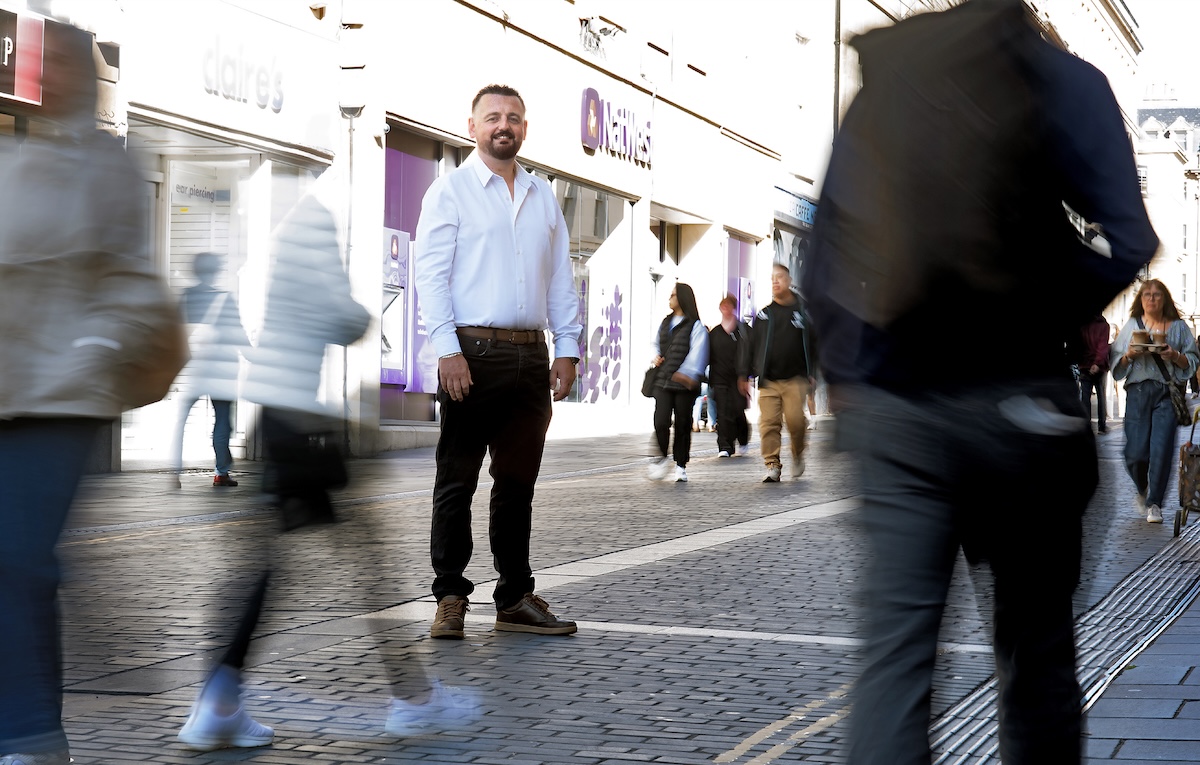
PI whose sister escaped abduction bid launches doorbell camera network
Private investigator Charles Land has launched a free service which could turn the millions of dashcams, doorbell and home security cameras across the UK into an extra pair of eyes when someone goes missing.
Charles, founder of the Wiltshire-based private investigation company SPI Surveillance, Protection & Investigation, has created SPI Vision to connect camera owners with searches for missing people.
Members register for free. If someone goes missing nearby, they get an alert within seconds asking them to send footage from a set time window, which SPI then reviews.
The site is fully GDPR compliant and personal data is not shared without permission. Irrelevant footage is deleted straight away and anything not reviewed is deleted automatically after 14 days.
Most doorbell and home cameras film the road outside as well as the front door.
When someone goes missing, one of those cameras may have caught a last sighting – but at the moment nobody knows which homes have cameras or how to reach the owners of those cameras in time.
Even police officers can find that delays mean precious evidence is lost.
“Right now, finding that footage means knocking on doors. It takes hours, and by then the footage has often been overwritten. In a missing person search, the first few hours matter most,” said Charles.
“I have spent my career finding people and gathering evidence. I know how much one clear piece of footage can change the outcome, and I wanted to put that to work for families when it matters most.”
The idea is personal for Charles. His sister, Amy Land, now 36 and living in the Warminster area, was almost abducted as a 13-year-old while walking home from secondary school in Trowbridge in 2003.
Amy had been dropped off by the school bus. As she walked up the road towards home, she noticed a black car travelling slowly behind her, repeatedly moving forward and stopping.
When the car stopped, she carried on walking. About halfway up the road, a man grabbed her and pulled her towards his car. Amy kicked him and managed to break free before running home in shock. Her parents called 999 straight away.
Amy and her mum later spent three to four hours being driven around Trowbridge in a police car looking for the car, without success. About two weeks later, the car was found abandoned in London, but the man was never found.
“This experience has stayed with me,” said Amy. “I was only 13 years old, walking home from school, when a stranger grabbed me and tried to pull me towards his car.
“I was fortunate that I managed to fight him off and escape, but it was a frightening experience that no child should ever have to go through. Now I’m a parent myself, and I don’t want this to happen to my child.
“I think SPI Vision is a positive and worthwhile idea. I hope that by speaking about what happened, I can help raise awareness and support efforts to prevent other children from experiencing something similar.
“I also hope it will encourage parents and young people to be aware of unusual behaviour, trust their instincts and take sensible steps to keep themselves safe.”
The charity Missing People states that someone is reported missing in the UK every 90 seconds, with around 160,000 people a year reported as missing (some people go missing several times in a year).
SPI Vision could help trace the route a missing person took and establish their last known sighting.
Charles believes it could be particularly valuable when vulnerable adults – such as people living with dementia or experiencing a mental health crisis – leave home and may be at risk, and when children and teenagers go missing, where speed is critical and every street counts.
In cases of suspected abduction, footage could help identify a vehicle or person seen with the missing person and the direction they travelled.
The network could also support investigations into other crimes, including burglaries and break-ins, where cameras may catch suspects arriving or leaving and the vehicles they used.
It could help with vehicle crime, including catalytic converter theft, hit-and-run collisions where the driver did not stop, and criminal damage and anti-social behaviour, building evidence where incidents keep happening in the same area.
Camera owners stay in control and choose whether to share what they have recorded. Charles says privacy has been built in from the start, with field of view checks and privacy masking, and footage is only kept when it is relevant to a real case.
“This is about supporting the police and search teams, not replacing them,” said Charles. “Every camera on the map is another pair of eyes when someone needs to be found.”




PI warns law change could put cohabiting couples under greater scrutiny
Read more14.09.2026