
Swindon & Wiltshire News
Changing careers after 30 could boost your career in the long term
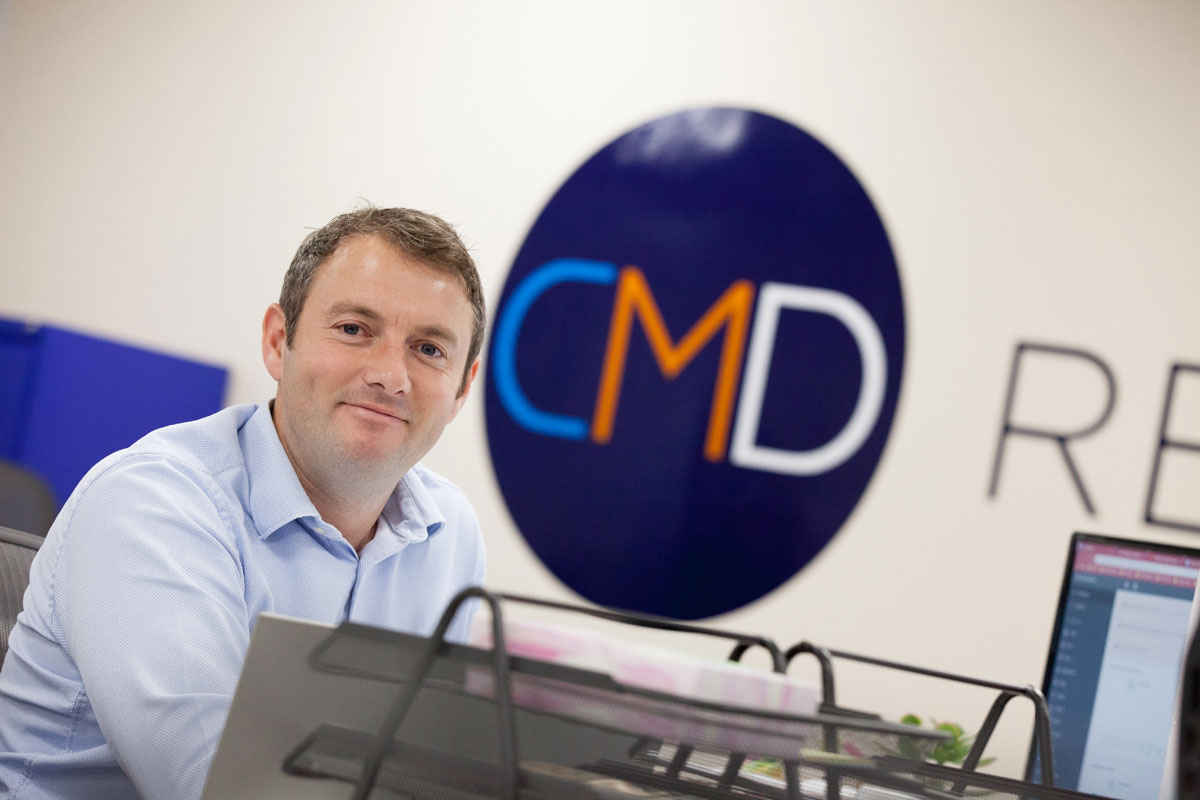
While it might be a scary prospect, changing careers at 30 is quite common and could boost your career in the long term says Dan Barfoot, operations manager at CMD Recruitment.
By the age of 30, you have likely spent around a decade in the workforce. If you’ve been on the same career path, you might be reaching a point where you decide it isn’t right for you. The choices we make in our early 20s might not match up with our priorities when we’re heading into our 30s, and this can lead to a disconnect.
Changing careers can be scary, but it can also be hugely rewarding. It will help you avoid feeling stuck in a dead-end job or heading down a career path that doesn’t interest you. As you approach your 30s and 40s, you need an abundance of enthusiasm for your career, or you might find yourself facing burnout and exhaustion from working in a sector that doesn’t inspire or motivate you.
If you’re thinking about a career change at 30, you don’t have to view it as a failure or write off any experience that you have gained so far. By framing this in the correct light, you can use your existing experience to achieve your career goals, even if your objectives have changed.
Why might you want a career change at 30?
There are so many reasons you might want a career change at 30. The most common is that your interests are no longer aligned with your career path.
Perhaps when you started your career you were more motivated by money or prestige, and these goals have since fallen away. Likewise, you might have started your career thinking that money wasn’t important to you, but your life has changed in such a way that you are now looking for greater financial security.
There’s also a chance that AI could be changing your career path in a way that you aren’t happy with. Perhaps AI is taking over the aspects of your work that you love, leaving you with the tasks you don’t really enjoy. AI is going to fuel a huge transformation in the workforce, and this could mean career path changes for many.
Whether the change is forced upon you, or you decide it’s time for a change, it’s important to remember that doing this at 30 is not uncommon. Don’t be afraid to admit that you may have made a mistake with your past professional choices, or to take a chance and go in a different direction. What’s important is that you have recognised that something is amiss and you are ready to take steps to put your career back on track.
Careers are changing: staying put no longer the norm
Changes to societal norms have paved the way for new approaches. It is now far less common for individuals to stay put in one place and assume that they will progress up through the company. More and more people are carving their own path, and this often means making bold career changes along the way.
Here are just some of the ways we are seeing changes to the traditional career path:
Quiet quitting – this trend swept across social media and paved the way for people to take a stand in careers where they are unhappy and unappreciated. This trend involves showing up and giving the bare minimum. It signals a sense of apathy towards employers who might be taking advantage of your hard work ethic. If you find yourself in a position where you want to “quiet quit”, a far better option would be to direct your energy towards a career path that brings you meaning.
Portfolio careers – working in a single role isn’t the only way to build a meaningful career. An increasing number of people are building a career they love through something known as a portfolio career. This often includes combining part time work, freelance work, voluntary work and advisory positions to create a sense of meaning and purpose in their work.
Gig economy – some employers simply aren’t offering full-time contracts, preferring to keep workers on freelance contracts or zero hour contracts. This increases the sense of uncertainty, but can be freeing for those looking for complete flexibility in their work. While workers can see their hours go away at any time, it also means they can walk without giving notice, which can be ideal for some.
Delaying university – we’re seeing a trend towards school leavers heading straight into work and delaying the start of university. This comes in the face of rising costs of studying and opportunities to create a freelance career that doesn’t require a university degree. This can give individuals time to decide where their interests lie, and then they can resume their studies around the age of 30 when they are better prepared for studying.
Microcredentials – it’s now possible to be constantly learning new skills through online courses that are available for free. This allows for a more fluid career progression, where candidates don’t have to leave their current role to enter full-time education. They can be constantly upskilling and gaining new knowledge to help them to forge their own path.
How common is a career change at 30?
Career changes at 30 are very common. Perhaps you have realised that you had unrealistic expectations of what this career could offer you, or you fell into a career path after university or high school and have since decided you would like to take a different direction. Employers are used to seeing people switch careers in their 30s, so don’t write off a change because you think it’s too late.
In many ways, a career change at 30 can be the best possible thing for you. Employers would much rather hire someone with the enthusiasm to make a career change at 30 rather than hiring someone who is burned out and tired of their career path, but too afraid to make a change.
What are the advantages of a career change at 30?
In your 30s, you have some experience under your belt, but you aren’t set on a career path just yet. It’s common to be working out your career goals, so a change of direction won’t be unusual for employers.
Studying and learning new skills will also be quite fresh in your memory, so it won’t be unusual to return to studying.
And finally, you will be taking positive steps to get your career on track before you face burnout and disengagement. This will demonstrate that you take your mental health and job satisfaction very seriously, which is a positive sign for employers.
What are the disadvantages of a career change at 30?
You could lose some of the momentum you have built in your career and might have to return to entry-level roles. This can be demotivating, particularly if you have made some progress and climbed the ranks in your current role.
You are likely to have more commitments at 30 than you did in your 20s, so changing careers might be more difficult. You might have a mortgage to think about, so walking away from a steady paycheck can be more daunting. You might also have family commitments and a partner, so you won’t be alone in your decision-making.
If you’re still set on making a career change at 30, try these steps to help make the process smoother and less disruptive to your career.
Be clear about your reasons
When interviewing for new roles, you will need to be able to explain your sudden pivot in your career. Before you can answer this, you need to understand your reasons for changing careers.
Think carefully about what is missing in your current role and what you hope to gain from a career change. Then think about how to explain this to employers. Even if you are leaving your current role for negative reasons, try to find a positive slant that will focus on what you hope to gain.
Make a list of your skills
You’ve been working for almost a decade, and you should have developed some clear skills during this time. Some skills are relevant to every job you do, so you need to learn to identify your strongest transferable skills.
Transferable skills could include things like:
- Communication
- Leadership
- Teamwork
- Organisation
- Problem-solving
If you have developed these skills in any meaningful way, you can expect them to be relevant to any employer. By making a list of the skills you have, you can then identify shortfalls in your CV and experience that can be addressed before you move forward with your career change.
Get some training
If your current role is quite similar to the role you’d like to move into, you may be able to achieve this without any additional training, but most people will find the path is easier if they have some additional training under their belt.
Going back to school might feel like a step backwards, but it might be necessary to gain the experience you need to make the switch. Thankfully, studying and learning new skills will still be fresh in your memory, so it won’t feel too jarring to become a student again.
If you have a financial buffer or support network, you might be able to stop working to study full-time and accelerate your career change. Otherwise, you might have to study during the evenings and on weekends so that you can continue in your role.
Build your experience
There are multiple reasons you should consider getting experience in your new sector before you make the switch. The first is that it will give you realistic expectations of what lies ahead for you. You might be viewing your career change through rose-tinted glasses and assuming that the grass will be greener elsewhere. By gaining some experience, you will make sure you have realistic expectations.
Experience will also give you something to talk about during interviews. You will need to demonstrate to employers that you have a realistic view of what this career change will mean, and sharing your knowledge of the role through work experience will let employers know you have considered all angles.
You can gain experience through job shadowing, internships and volunteer work. Use these opportunities to gain contacts, speak to people in the sector and learn as much as you can about working in this industry.
Take the plunge
When you’re ready to make a move, speak to recruitment consultants about securing interviews in your chosen field. Remember that you will stand out from the other candidates, but this won’t always be a positive thing. You’ll need to work harder to demonstrate your desire to work in this sector.
Employers are often reluctant to be the first ones to offer someone a job following a career change. This makes sense, as they won’t want to invest in an employee who is typically flaky and prone to change direction. Securing your second job will always be easier following a career change.
Take every interview as a learning experience and be realistic about your prospects. It’s possible that you will need to take a backward step before you can move forward. For example, even if you were in a management role in your previous job, you can expect to enter the sector in an executive or assistant role and work your way up again.
The good news is that you can expect to progress far more quickly, as you will also have the skills you need to progress in your role.
Dan Barfoot is operations manager at CMD Recruitment


Jobs market cooled in December – but pay growth was stronger
Read more13.01.2026
Hiring slowdown eases in South West, but demand for staff remains weak
Read more14.11.2025
Permanent placements fall at slowest rate in 21 months
Read more14.10.2025
Demand for permanent workers in South declines at fastest rate since June 2020
Read more10.09.2025
Jobs market cooled during Flaming June – report
Read more16.07.2025
Starting salaries up, but job vacancies down – report
Read more24.06.2025
The hidden costs of a bad hire – CMD Recruitment
Read more11.06.2025
Recruitment activity falls sharply in South of England, says new jobs report
Read more13.05.2025